New varieties hit every week. Join the list for restock alerts, care tips, and early access.
Knowledge Center
Plug vs Tissue Culture: Which Is Right for You?
Chris
plugs, tissue-culture
Plant collectors will often come across terms such as plug and tissue culture (TC) when shopping for new plants. Understanding the difference can help you choose plants that suit your experience, growing environment and collection.
What Is a Plug Plant?
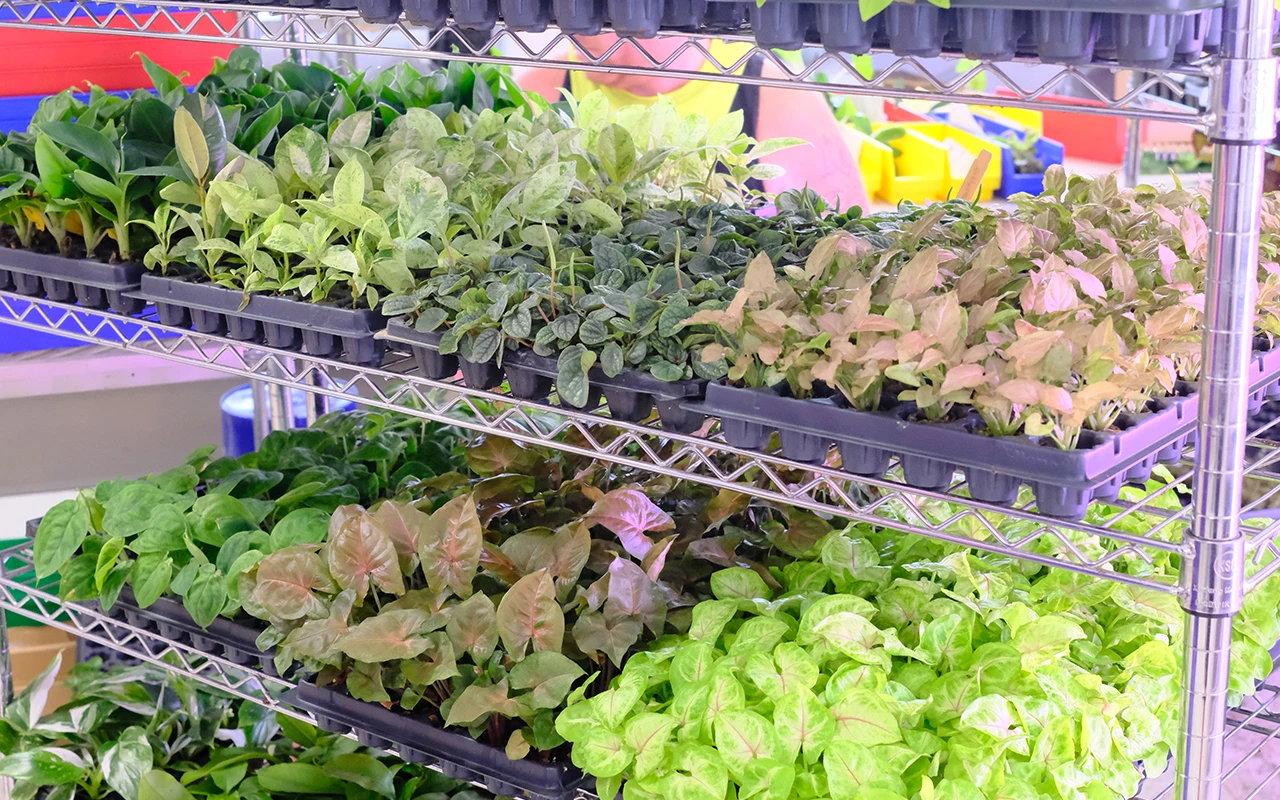
A plug is a young plant that has already developed beyond the earliest stages of propagation. It is typically established in a small growing medium and can continue developing as it grows.
Plugs can be a convenient choice for growers who want a young plant that is already established.
What Is Tissue Culture?
Tissue culture is a propagation technique that allows plants to be produced from small pieces of plant tissue under controlled conditions.
Tissue-culture plants are often very young and may require additional care while they transition from their propagation environment into a normal growing setup.
Which Should You Choose?
Neither option is automatically better. The right choice depends on your experience and how much time you’re willing to spend helping a young plant establish.
A plug may be appealing if you want something more established, while tissue culture can be an exciting option for collectors interested in growing a plant from an earlier stage.
About the Author
Chris
Lorem ipsum dolor sit amet, consectetur adipiscing elit, sed do eiusmod tempor incididunt ut labore et dolore magna aliqua. Ut enim ad minim veniam.