
Live Arrival Guarantee
Ships Mon-Wed, Fast
Licensed Nursery Dealer
Fair, Fixed Prices
New Varieties Every Week
Live Arrival Guarantee
Ships Mon-Wed, Fast
Licensed Nursery Dealer
Fair, Fixed Prices
New Varieties Every Week
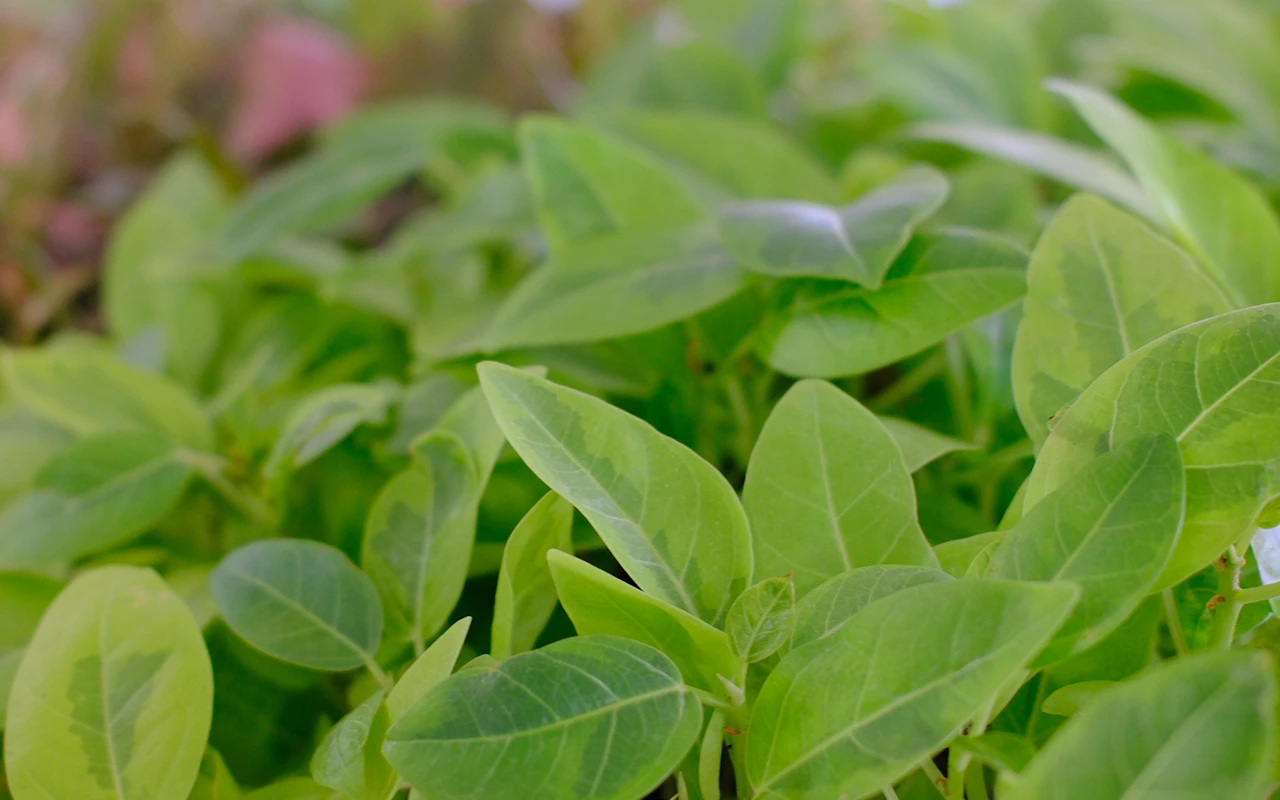
Anthurium crystallinum is a velvet leaved species with brilliant white venation running across deep green, heart shaped foliage. It is one of the most striking plants in the aroid world and one of the most frequently killed, and the cause of death is almost always the same thing.
It is not humidity, and it is not watering technique. It is the pot.
Anthurium crystallinum is an epiphyte. In the wild its roots sit in leaf litter and moss on tree branches, surrounded by air, drying and rewetting constantly. Almost nothing about a bag of potting compost resembles that.
Use a chunky, open mix: orchid bark as the bulk, perlite for air, and some sphagnum to hold moisture. Many growers run it in pure sphagnum successfully. The mix should be so open that water pours straight through. If you take one thing from this guide, take this: nearly every dead crystallinum traces back to roots suffocating in something too dense, and no amount of careful watering rescues a plant in the wrong medium.
With an open mix, watering becomes easy. Water thoroughly, let it drain completely, and water again when the medium is approaching dry but not yet there. The roots want moisture and air at the same time, which is exactly what a chunky mix delivers and a dense one cannot.
Hard tap water leaves mineral deposits on the velvet surface and can burn root tips over time. Filtered, distilled or rain water is worth the effort here more than on most houseplants.
Bright indirect, and nothing harsher. The velvet texture comes from tiny structures on the leaf surface that scatter light, and direct sun scorches them permanently: the affected area never recovers its sheen. An east facing window or a few feet back from a brighter one is ideal. Too little light gives you smaller leaves with weaker venation.
This is the one where high humidity is not optional. Aim for 60% or more. Below that you get crisping leaf edges and new leaves that fail to open cleanly. A cabinet, a terrarium or a humidifier all work. Grouping plants together helps at the margins but rarely gets a dry room to where this plant wants to be.
The two are routinely mixed up and often sold interchangeably. Crystallinum has longer, more elongated heart shaped leaves; clarinervium leaves are rounder and thicker with broader white veining. Care is effectively identical, so a mislabelled plant is not a problem to grow, but it is worth knowing which you actually have.
A plug is rooted and hardened off, so there is no acclimation step, but this is a species where the first few weeks matter. Pot into a chunky epiphytic mix rather than soil, keep humidity high while the root system establishes, and resist the urge to overwater a small plant in a large pot. Pot snugly.
Anthurium tissue culture is where the price gap is widest in the entire aroid hobby: a mature specimen of some species runs into the hundreds, and a plantlet does not. The acclimation process is the standard one, though crystallinum is less forgiving than a Philodendron during hardening off, so take the full ten to fourteen days and do not rush the dome. Details in our tissue culture acclimation guide.
We carry Anthurium as tissue culture and, where stock allows, as hardened off plugs. Browse Anthurium plugs and tissue culture, or read plug vs tissue culture first.


